THE WARRIORS PROJECT MODEL
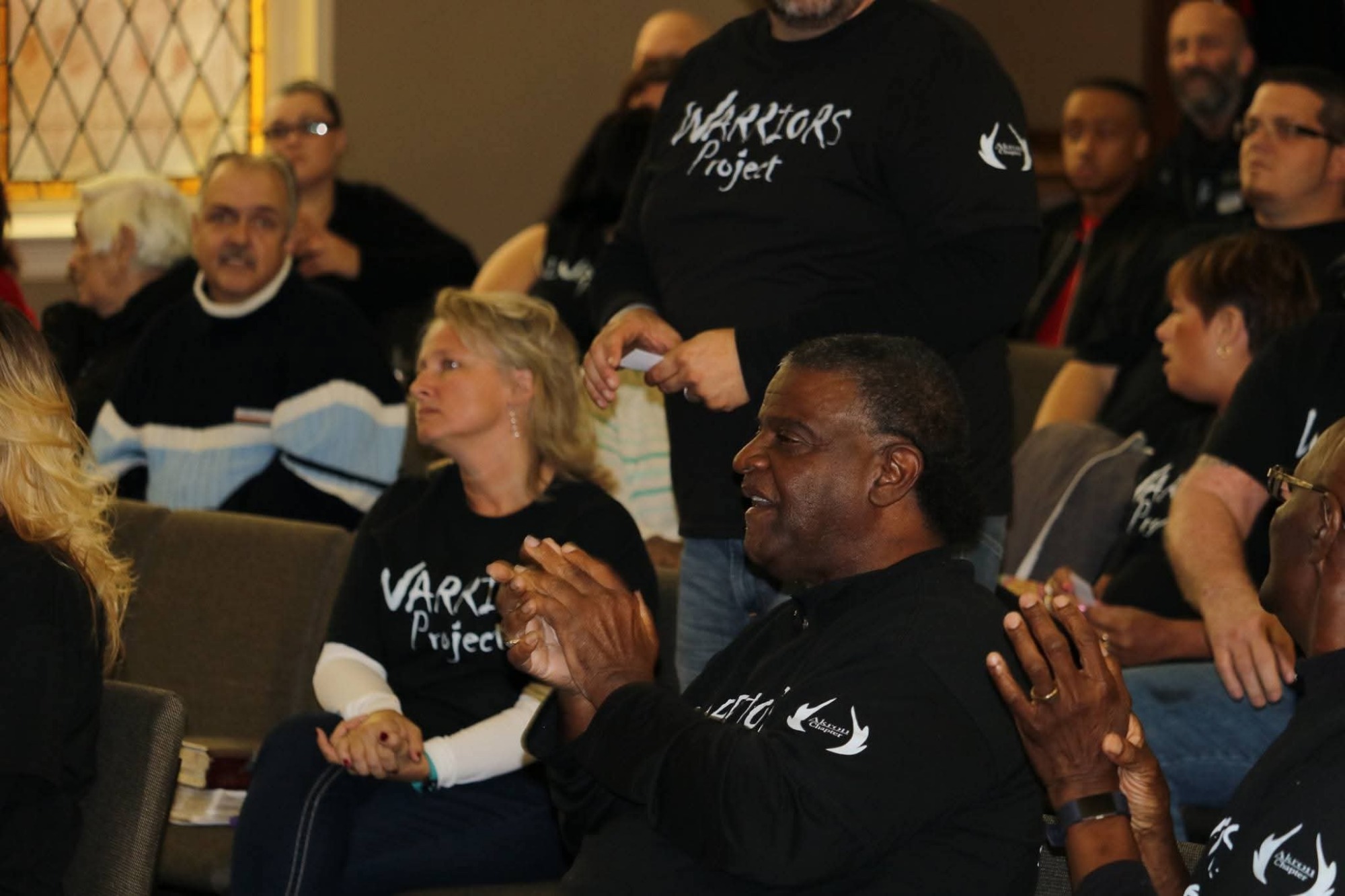
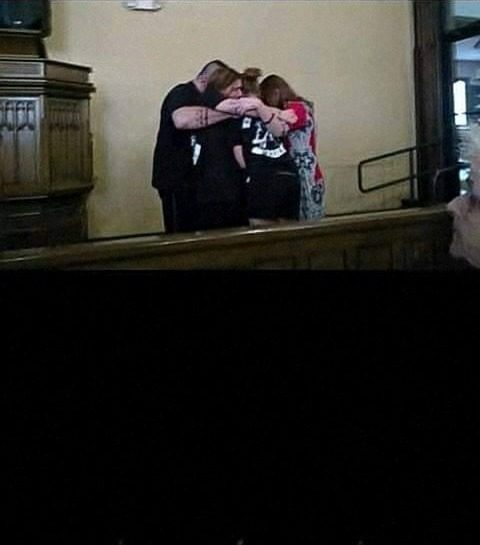
A Family, Not a Program
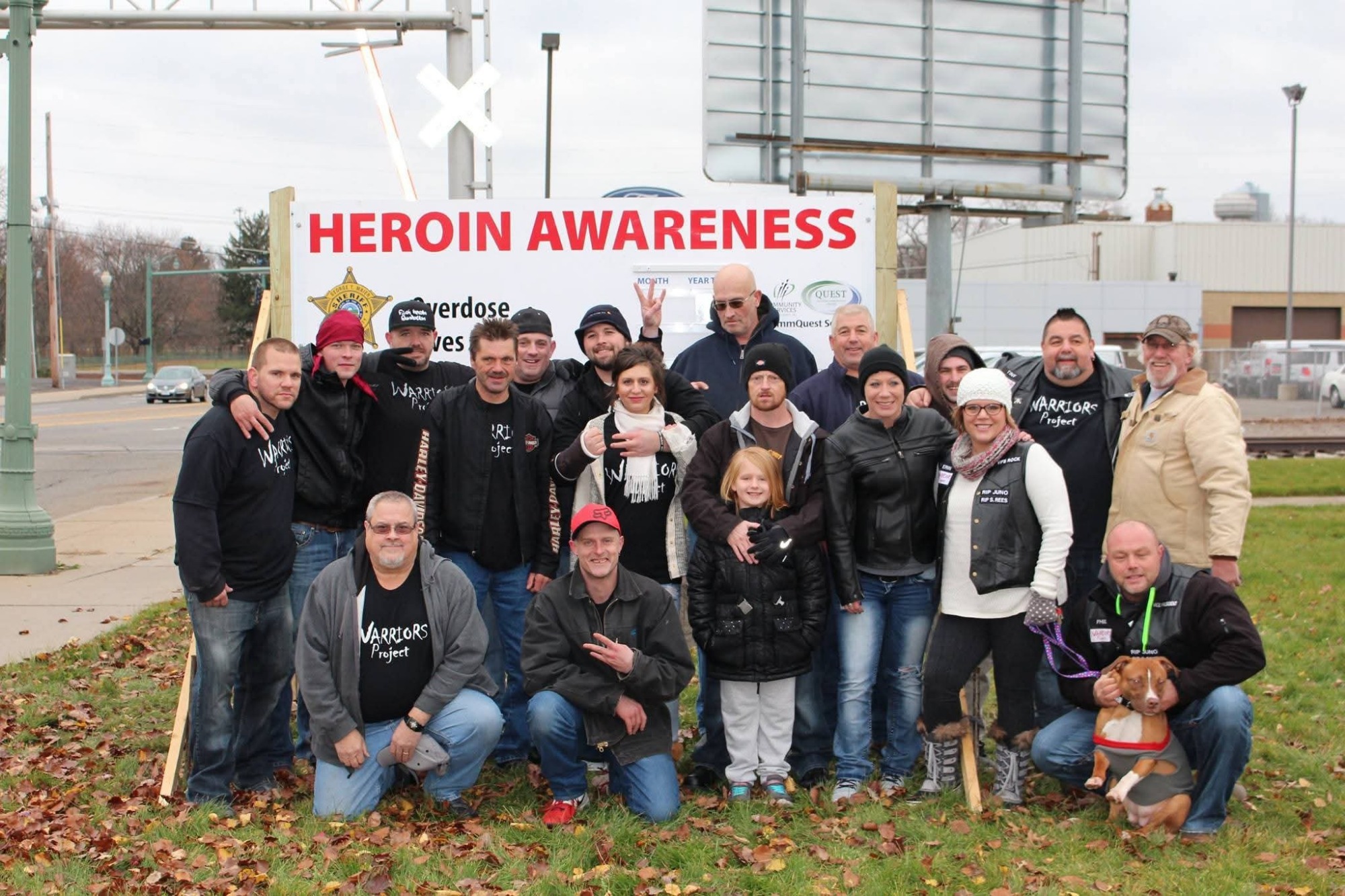
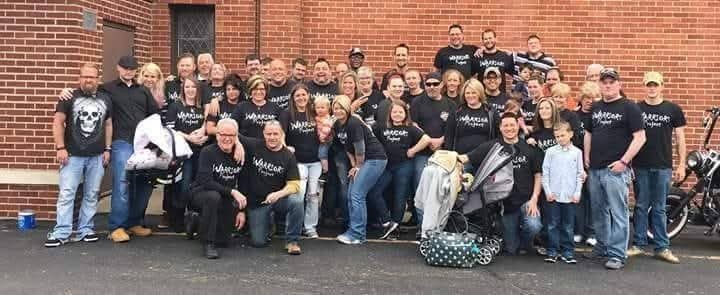
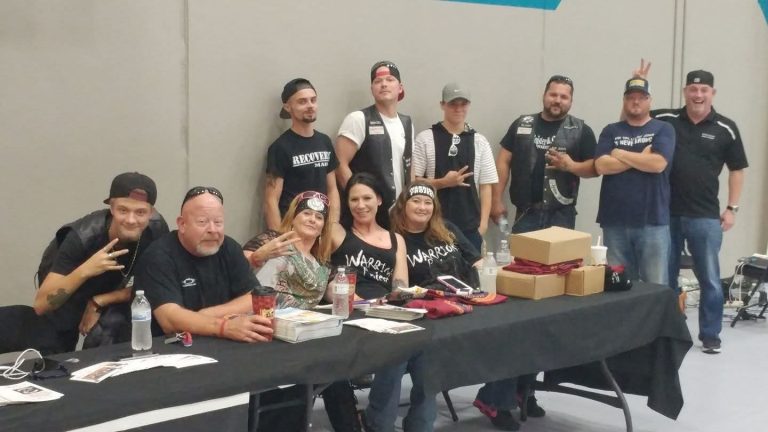
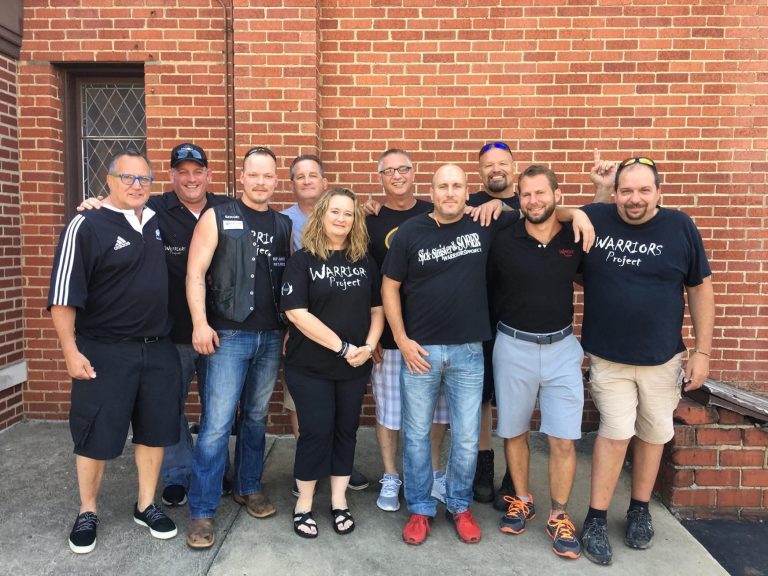
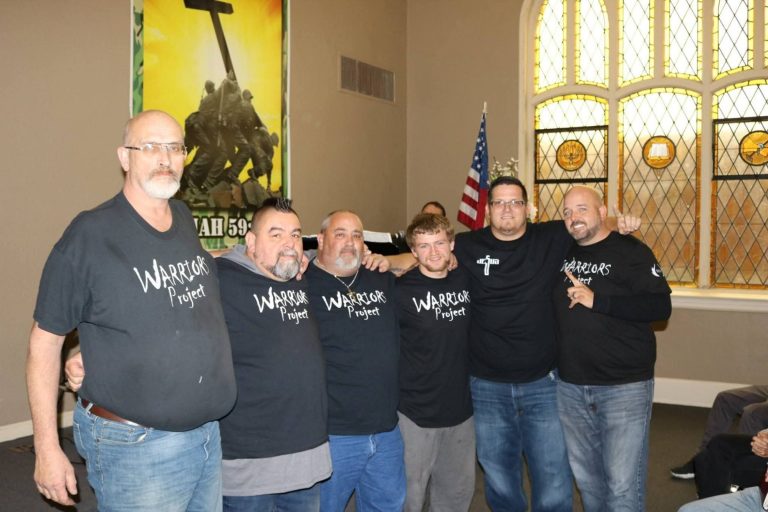
The Warriors Project began in Northeast Ohio in 2010 with a simple belief: people who had been through brokenness could help others find hope.
We weren't a collection of perfect people. We were people in recovery, families, friends, and neighbors learning to walk alongside one another.
Some came looking for help. Others came hoping to help. Many discovered they needed both.
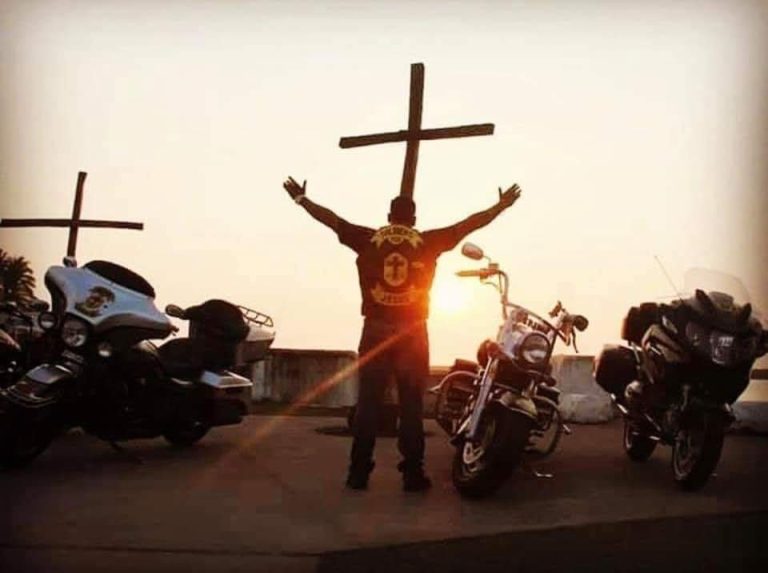
Faith brought us together, but belonging wasn't something a person had to earn.
We had a simple way of looking at people:
"Call people by their name, not by their shame."
"By Your blood we are all family."
— William "Tiny" Lawson
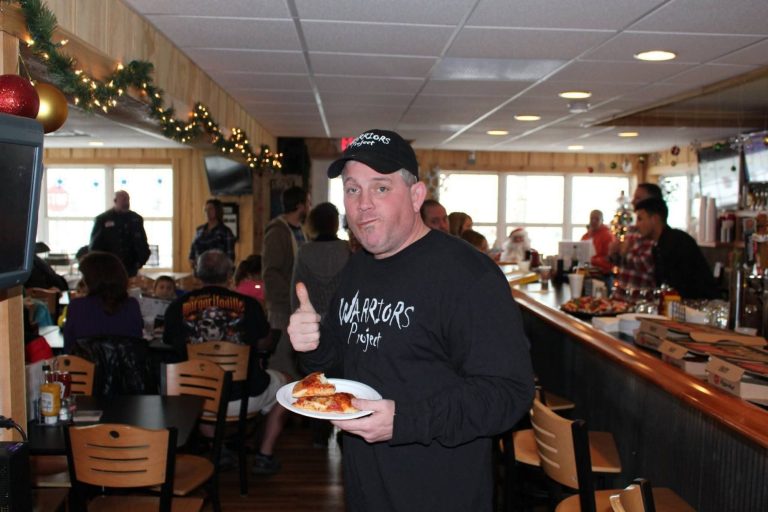
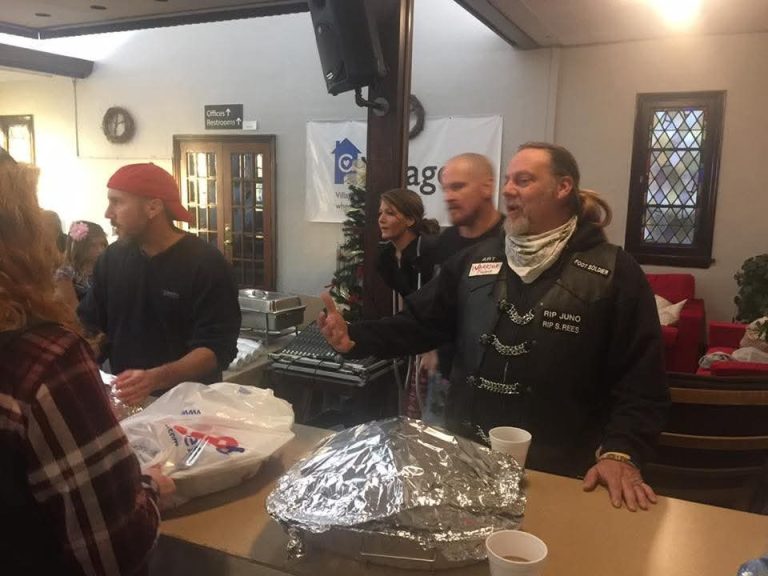
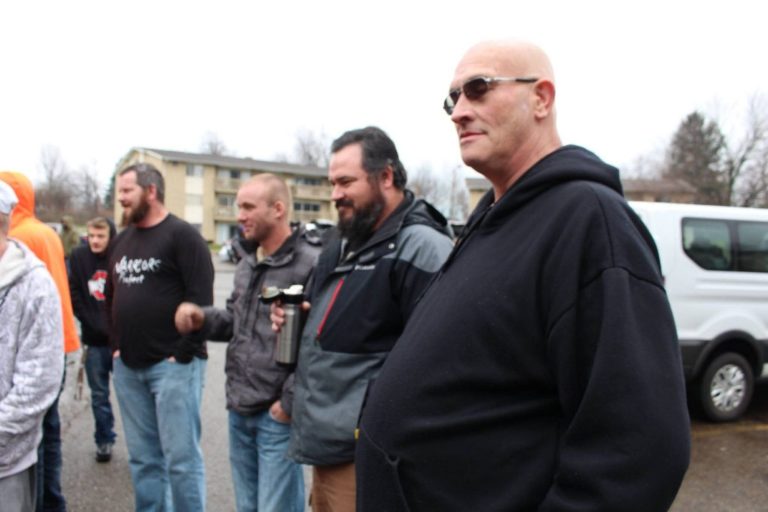
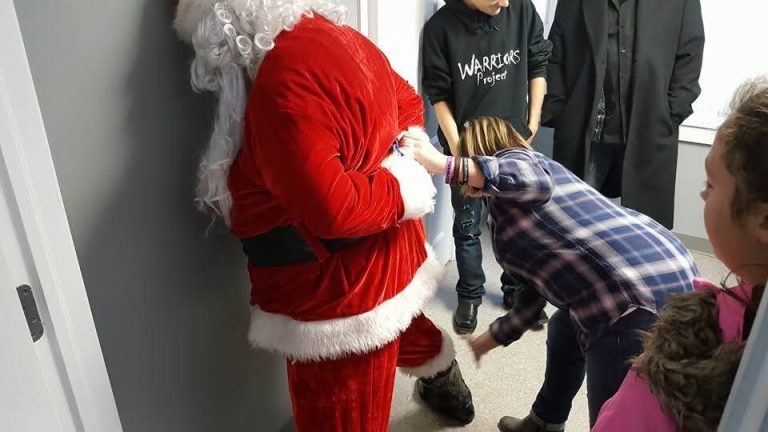
What a Week Actually Looked Like
The work wasn't always glamorous. Much of it was ordinary people doing ordinary things with extraordinary consistency.
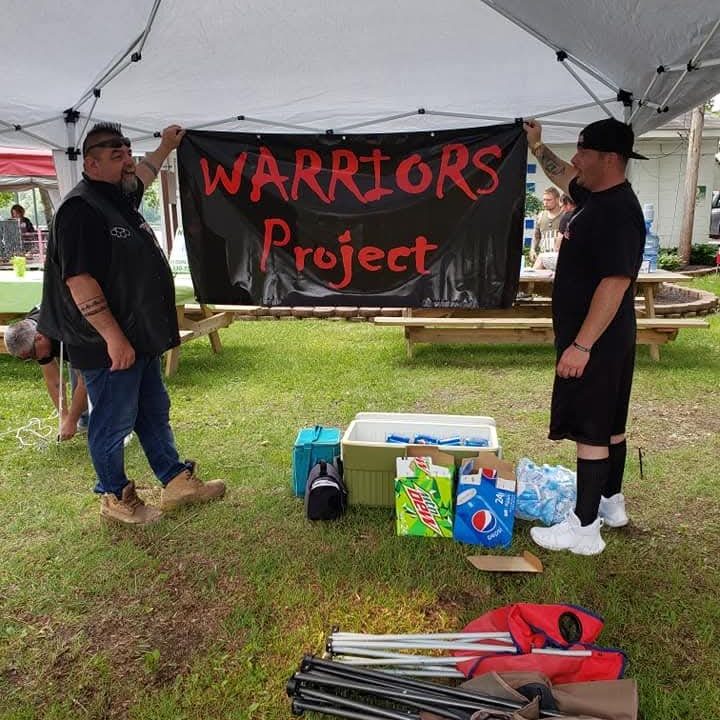
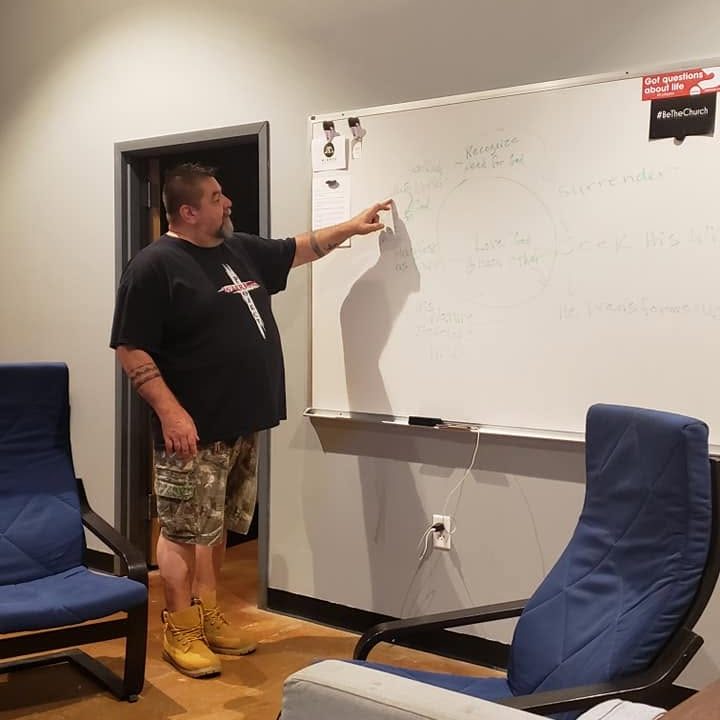
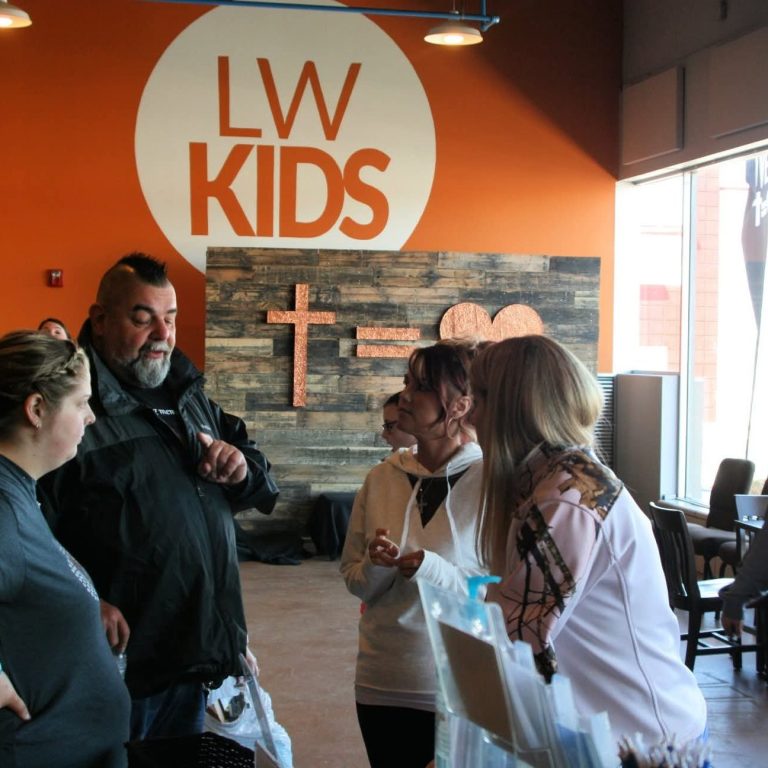
There were gatherings, conversations, prayer, fellowship, outreach, and opportunities to serve.
Sometimes helping meant connecting someone with a church, recovery resources, housing opportunities, or another community partner.
Sometimes it simply meant listening.
We learned that showing up mattered. Remembering someone's name mattered. Making room for someone who had nowhere else to belong mattered.
The relationships were more important than the activities.
"Daily choice to make: struggle program or surrender program?... I think I will choose surrender."
— William "Tiny" Lawson
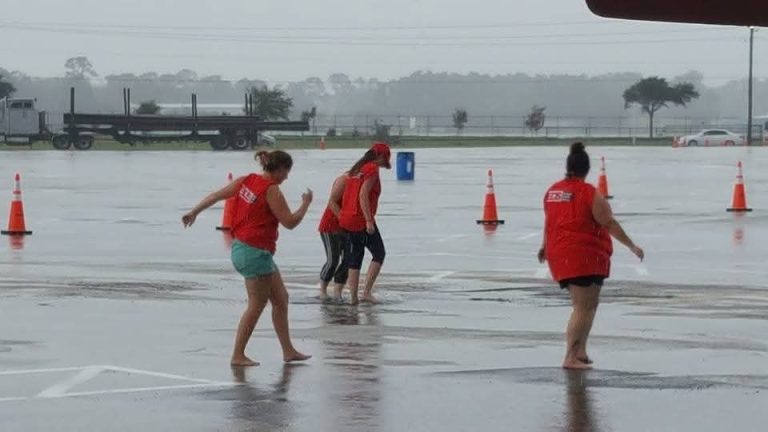
What Worked
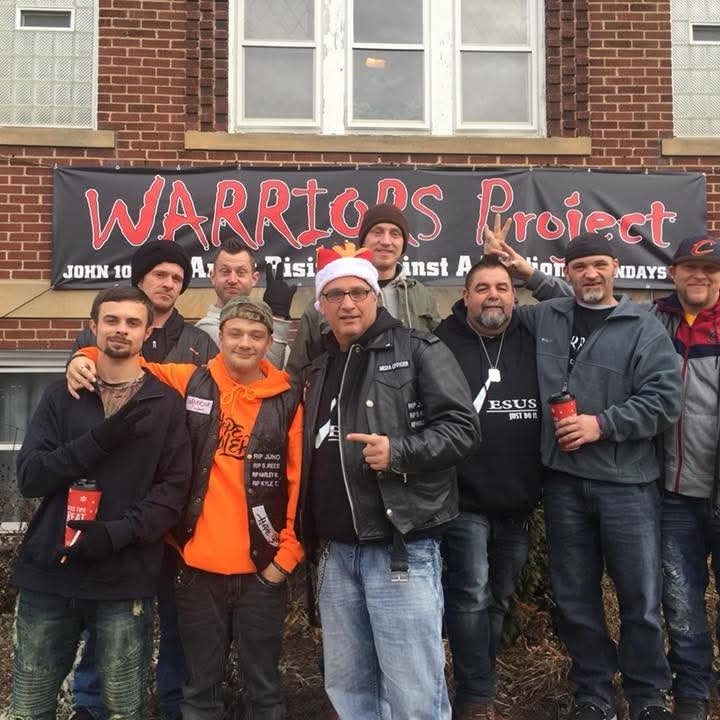
One of our greatest strengths was that people who understood brokenness firsthand were willing to walk beside others experiencing it.
We didn't always have the answers. We had experience, compassion, and a willingness to show up.
Churches, recovery communities, volunteers, and other partners contributed in different ways.
Nobody had to do everything.
We learned that consistency, dignity, shared responsibility, and a sense of family could make a meaningful difference.
It wasn't about building one person's ministry.
It was about people discovering what they could accomplish together.
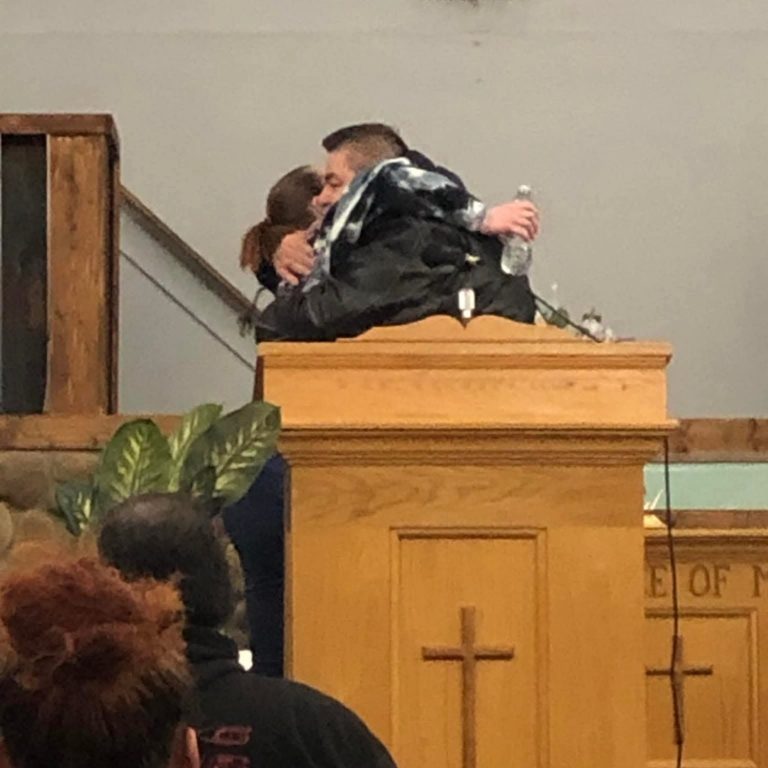
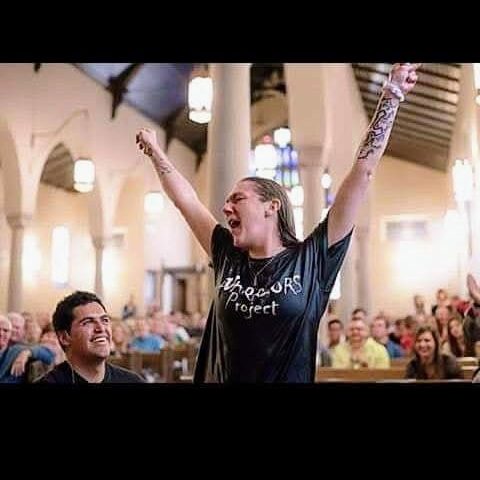
"If I bend my knees before I bend my elbow, I will be able not to put one in me today."
— William "Tiny" Lawson
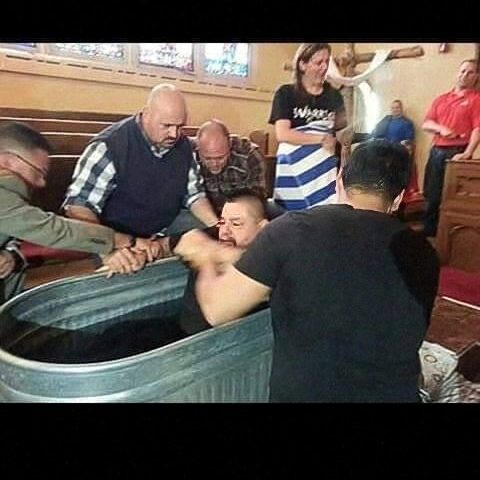
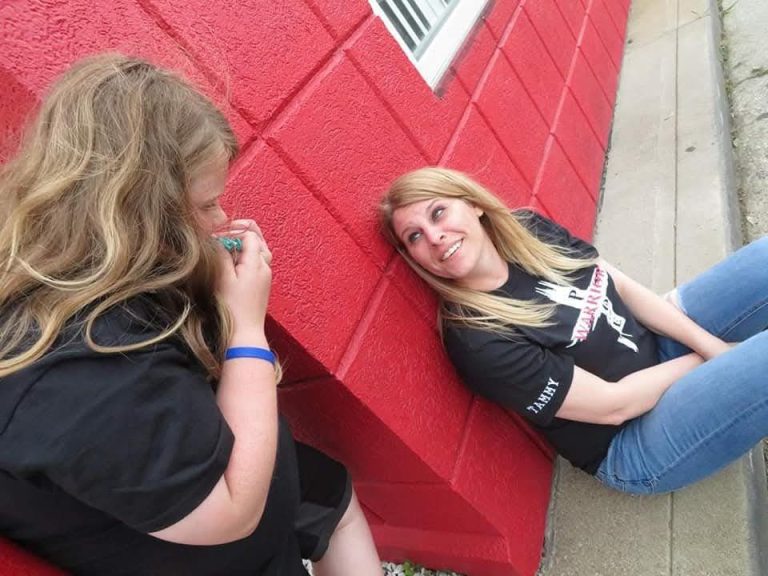
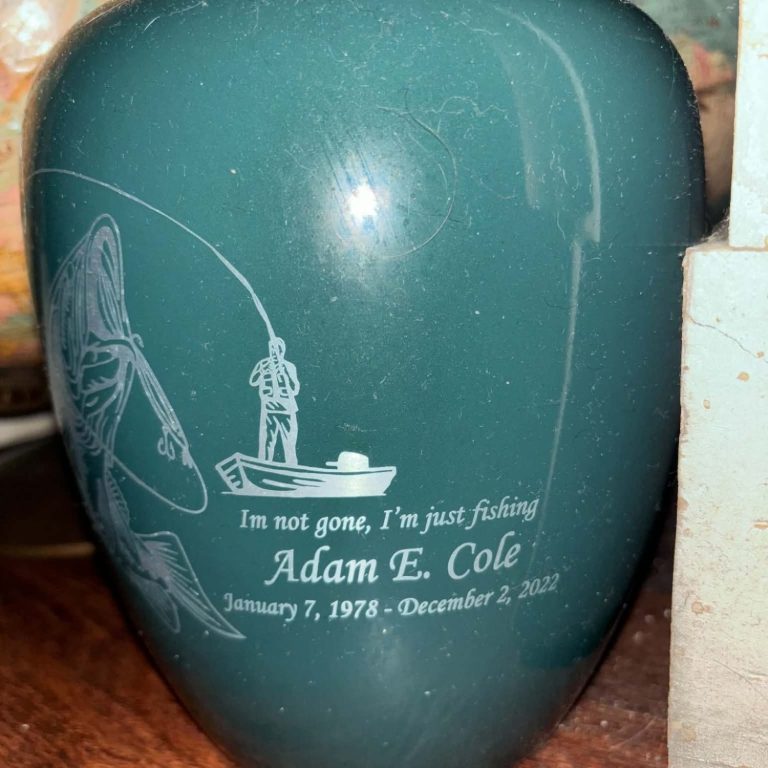
In Memory of Adam Cole
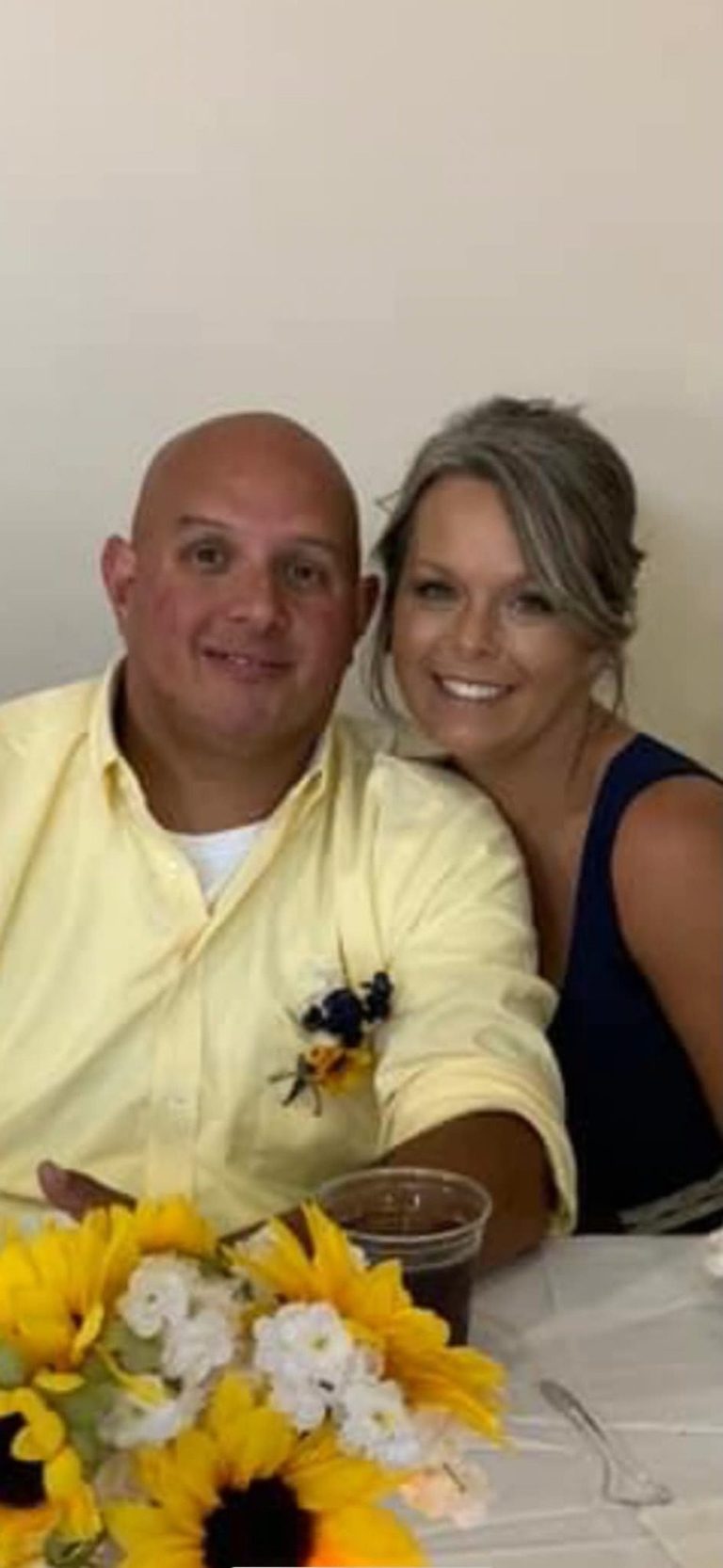
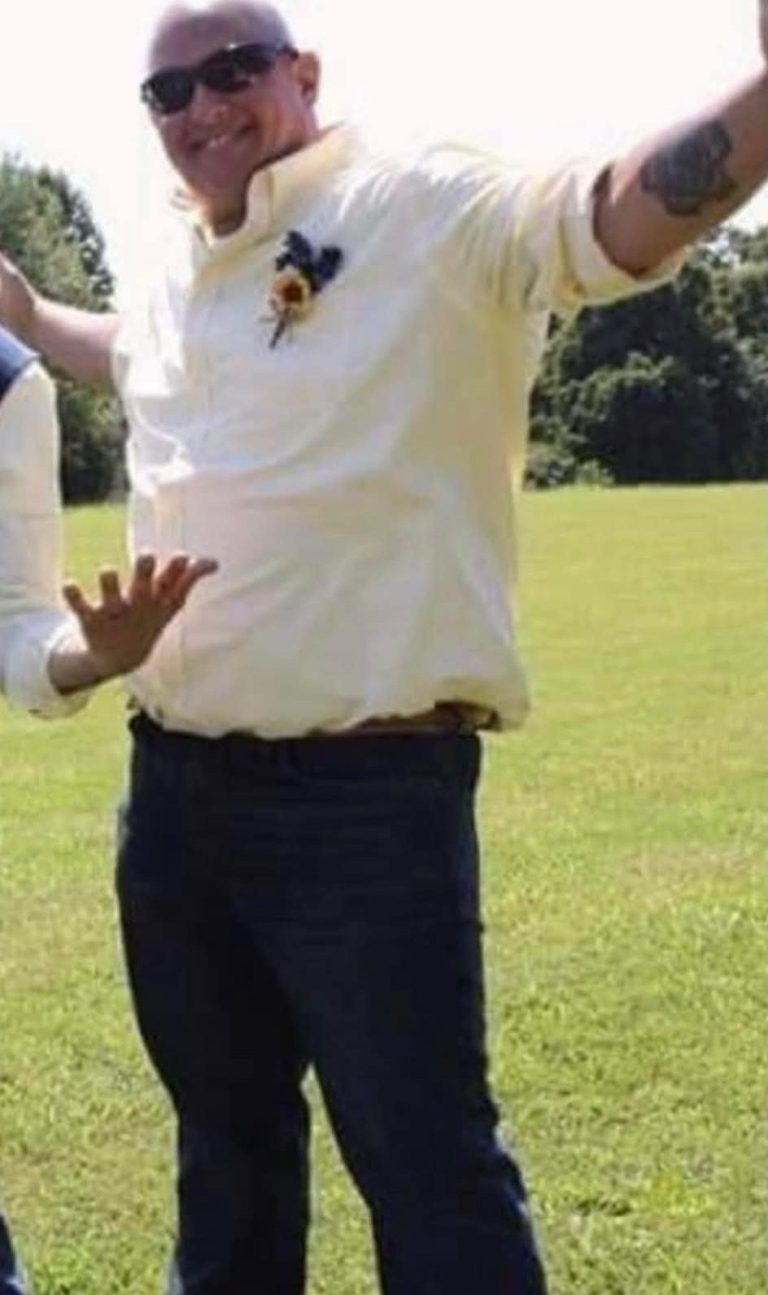
Adam Cole was my roommate in treatment, and he became my brother.
I am not sure I would be where I am today if Adam hadn't been there for me in my darkest hour. He and his wife, Heather, stood with me through one of the toughest patches of my life. When I say this work is broken people sitting with broken people, Adam is one of the people I am talking about.
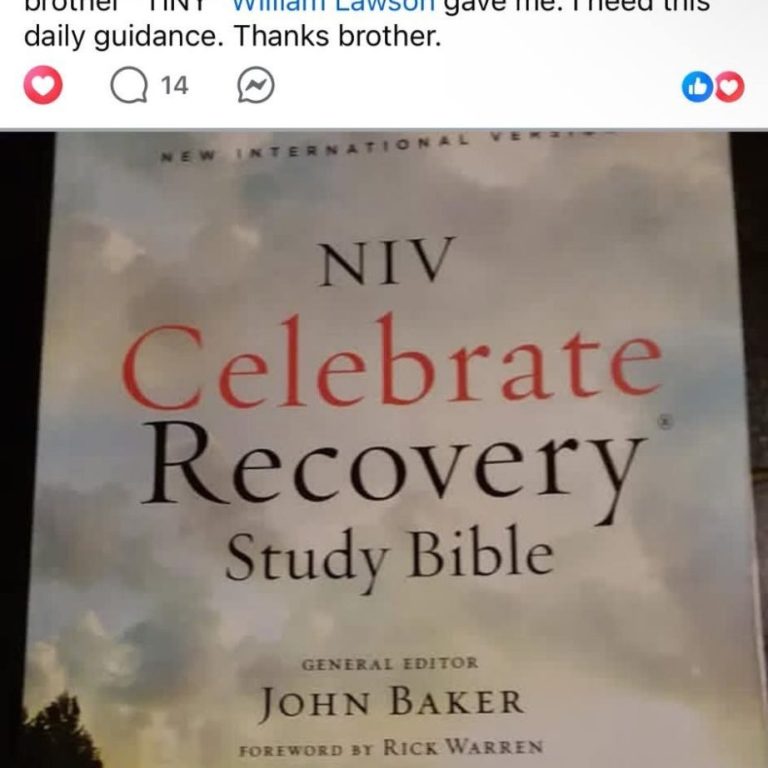
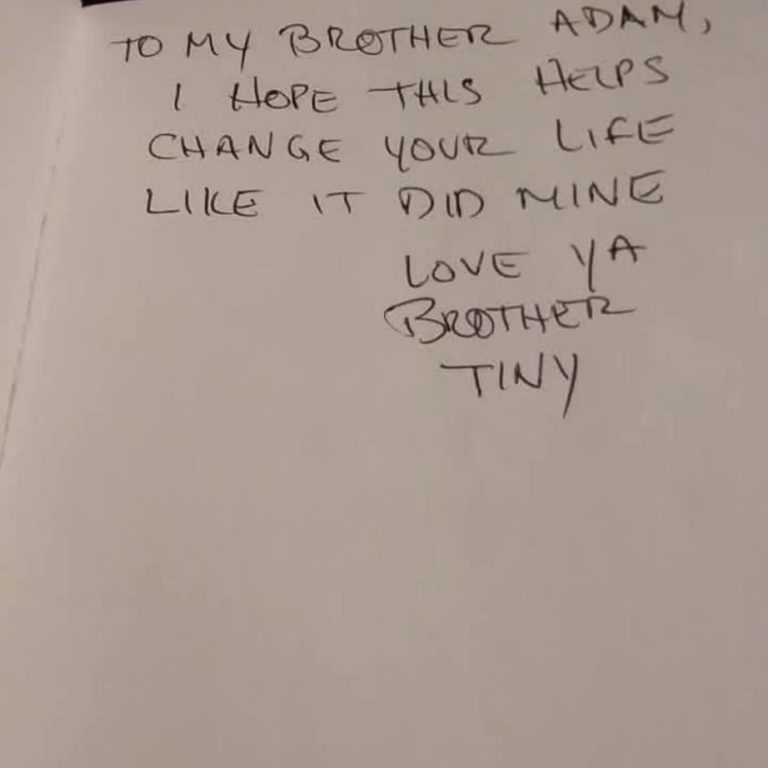
Not long after we met, I gave Adam a Celebrate Recovery Bible. Inside the front cover I wrote: "To my brother Adam — I hope this helps change your life like it did mine. Love ya brother, Tiny." In January 2019, Adam posted a picture of that Bible and wrote that he needed its guidance daily. He ended it with two words: "Thanks brother."
We lost Adam to suicide on December 2, 2022. I think about him every time this work puts me across the table from somebody who is barely hanging on — because I know what it is to be the one barely hanging on, and to have somebody stay.
Gone, but not forgotten. When our sponsored book program began, the first book we gave out honored Adam's mother, Becky. That was no accident. This family is still part of this work.
If you are in your darkest hour right now, please stay. Call or text 988 — the Suicide and Crisis Lifeline — any time, day or night. It is free, and someone will answer. Somebody sat with me. Somebody can sit with you.
What Didn't Work — Said Plainly
There were setbacks. There were disagreements, disappointments, and painful losses.
Not everyone found recovery. Not every effort worked. There were needs that caring volunteers could not meet by themselves.
Good intentions did not automatically produce good outcomes.
We learned that compassion needs wisdom, healthy boundaries, and connections to qualified professionals.
We also learned that communities must be willing to examine their mistakes and change.
This part of our history deserves honesty, not excuses or exaggeration.
"My soul was restored by those people — the scarred, the broken and the tattered."
— William "Tiny" Lawson
"I am aware today that these are the things that can destroy me, or make me a mightier warrior than I was the day before."
— William "Tiny" Lawson
What a Church or Community Can Take From This
You don't need to recreate the Warriors Project.
Start with people.
Find a place where people can gather safely. Establish a dependable time. Bring together people willing to listen without judgment.
Learn names before offering advice.
Build relationships with churches, recovery resources, trained professionals, and others who can help when a need goes beyond what volunteers can provide.
Welcome people without requiring them to have their lives figured out.
Make faith an invitation, not a condition of compassion.
And remember that sometimes the most meaningful ministry begins when someone simply sits beside another person.
"Being broken allows us to finish each others sentences."
— William "Tiny" Lawson
What This Is Not
The Warriors Project Model is not a franchise, a licensed program, or a promise of guaranteed results.
It is not a substitute for professional treatment, counseling, emergency assistance, or case management.
It is a historical account of a community of imperfect people learning to serve one another.
We share these experiences freely in the hope that churches and communities can learn from what helped, what didn't, and what we would do differently.
The goal isn't to make another Warriors Project.
The goal is to help people see what might be possible in their own community.
"I hope that I can always remain the student. And I pray that I never think that I am the teacher."
— William "Tiny" Lawson
Closing
Buildings change. Programs come and go. Organizations may take different directions.
But the love, dignity, and compassion people showed one another can continue through the lives they touched.
The Warriors Project was never supposed to be about one individual.
It was about what happens when people who have experienced brokenness discover that they still have something valuable to give.
And so we leave you with the same question:
"How many broken people will you sit with today?"
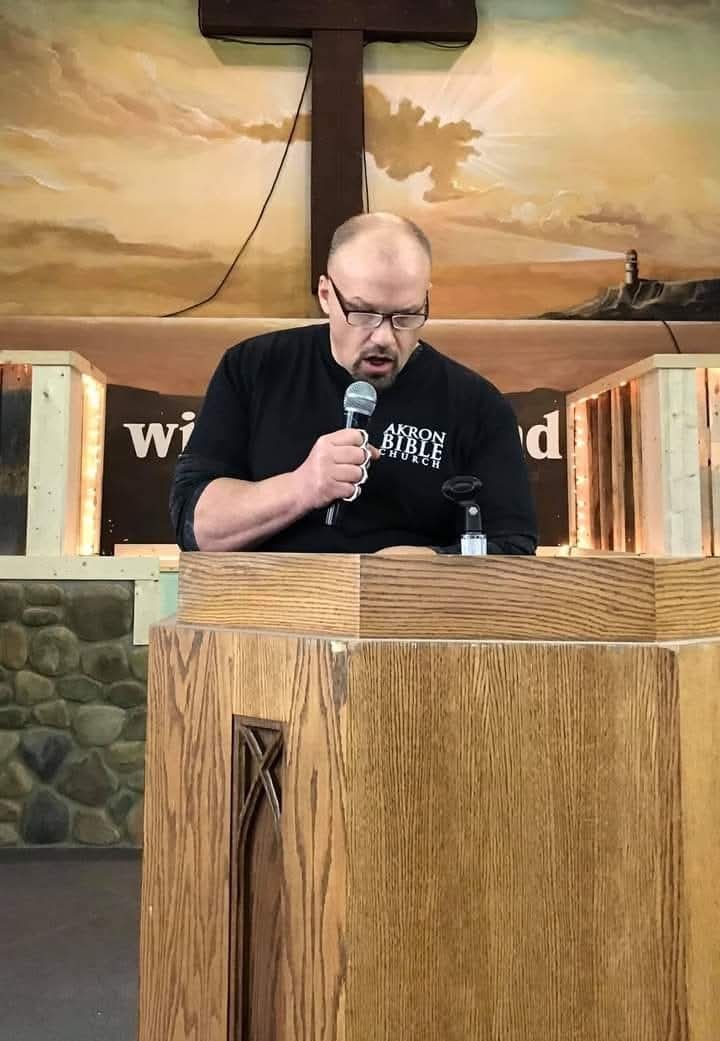
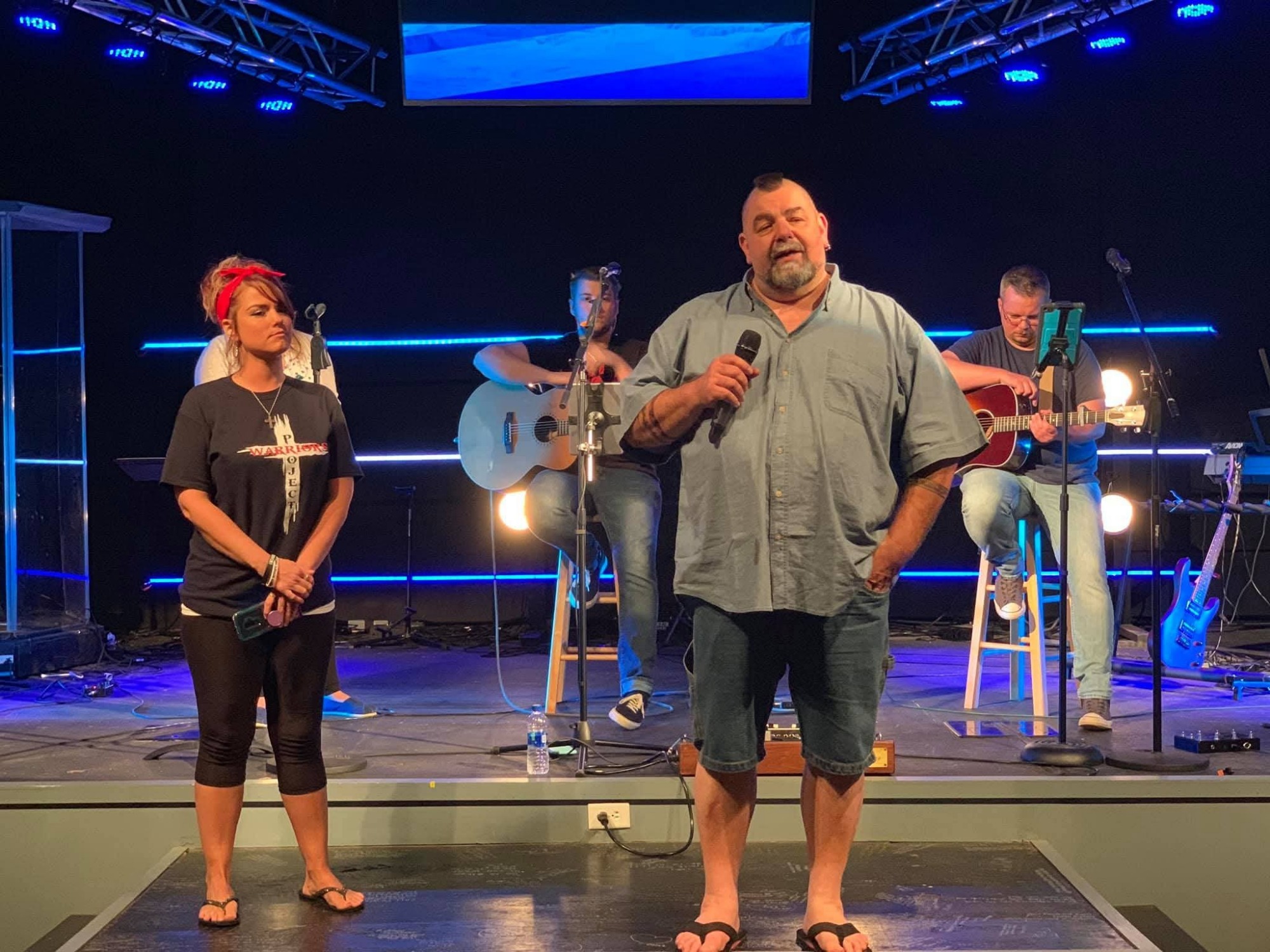
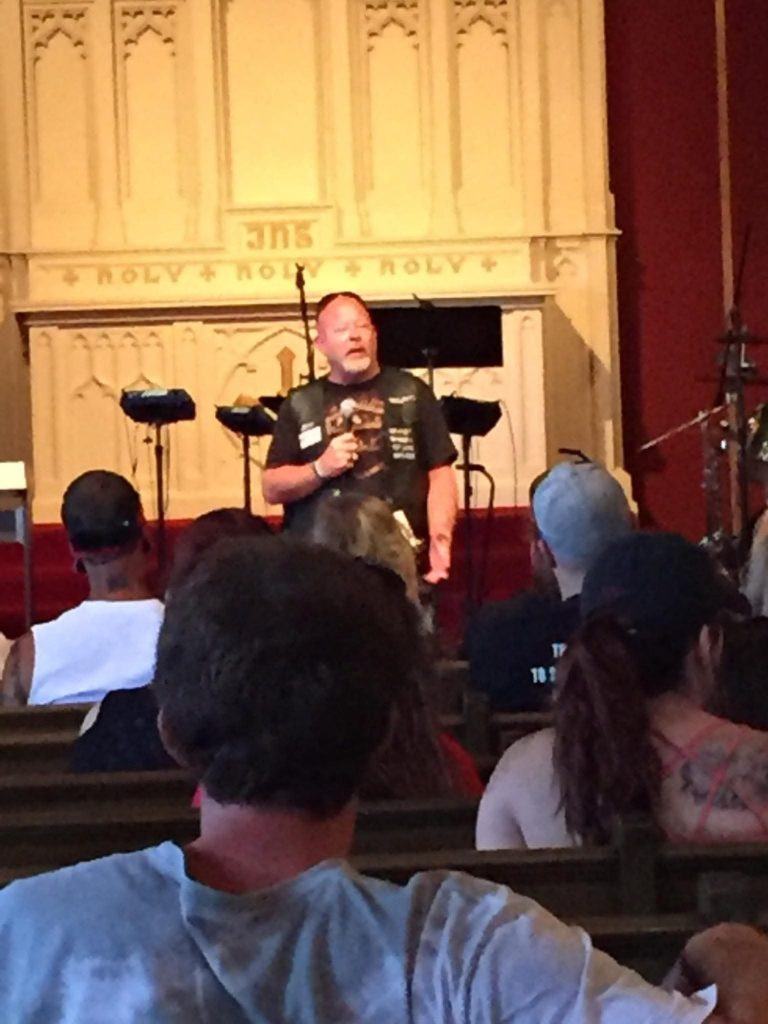
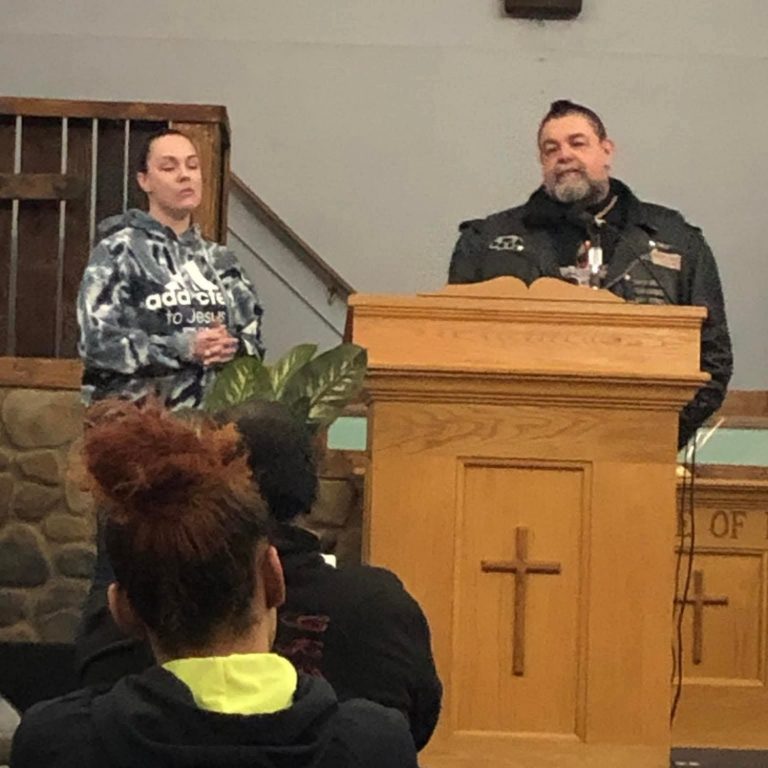
Pastor Randy Baker preaching at Akron Bible Church — look at his hand: brass knuckles. Smash-mouth recovery.
Need Help?
Hope Not Chains provides educational information. It is not an emergency response, rescue, or case-management service. If you or someone else is in immediate danger, call 911.
National Human Trafficking Hotline: 1-888-373-7888
Text: 233733
williamjlawson056@gmail.com
Hope Not Chains is an educational initiative of Transition to Success LLC.